Teach English in Japan: A New Adventure Awaits!
Becoming a Kindergarten English Teacher in Japan is more than just a job—it’s an opportunity to experience a new culture, make a difference in children’s lives, and grow professionally. With increasing demand for English education in early childhood, teaching young learners has become a rewarding career for native or fluent English speakers.
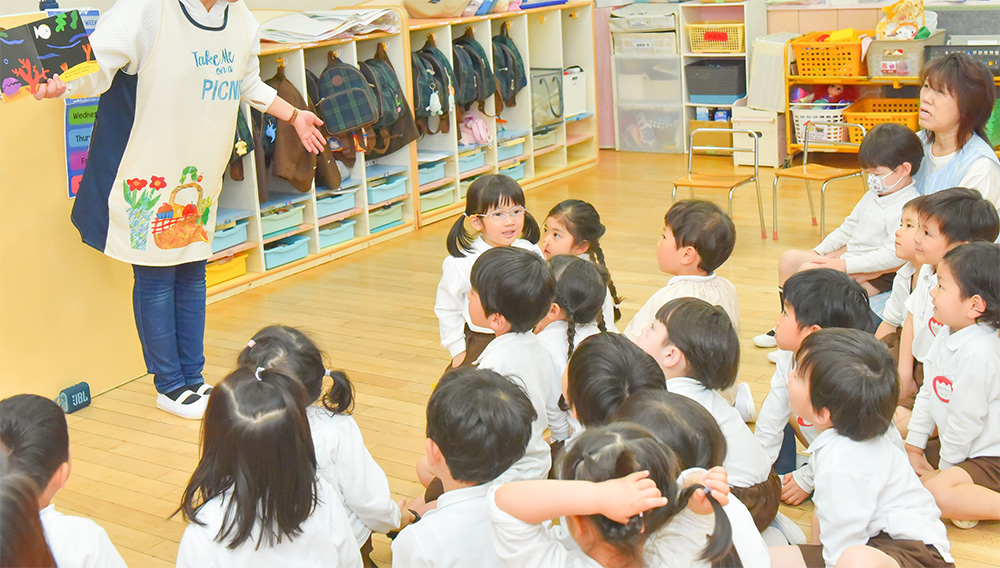
Why Become a Kindergarten English Teacher in Japan?
High Demand for English Teachers
Japan emphasizes early English education. Many kindergartens, international schools, and early learning centers seek qualified teachers to build a strong foundation in English. The number of programs has grown significantly, creating opportunities for enthusiastic teachers.
Cultural Immersion
Teaching in Japan allows teachers to develop intercultural skills, adaptability, and a broader worldview. Living in cities like Tokyo, Kyoto, or Osaka exposes teachers to Japanese traditions and modern life, enriching both personal and professional growth.
Competitive Compensation
Salaries vary, but typical Kindergarten English Teachers earn:
- Entry-level: ¥220,000–¥280,000/month
- Experienced: ¥300,000–¥400,000/month
- Premium international schools: ¥400,000–¥500,000/month
Benefits often include health insurance, paid vacation, housing allowance, and airfare reimbursement.
💡 Note: Salaries are reference only; actual pay varies by school and location.
Key Skills
Teaching Skills
- Lesson planning for young learners
- Classroom management
- English proficiency (native or near-native)
Soft Skills
- Patience and empathy
- Creativity with songs, games, and visual aids
- Communication with co-teachers and parents
Cultural Adaptability
Understanding Japanese customs, school etiquette, and work culture enhances your teaching experience.
Types of Kindergartens
- International Kindergartens – Full English curriculum, often with Montessori or Reggio Emilia inspiration.
- Private Japanese Kindergartens – English classes integrated with Japanese curriculum; teachers often co-teach with Japanese staff.
- Preschools/Early Learning Centers – Emphasis on interactive learning, songs, crafts, and storytelling.
Daily Responsibilities
- Plan and lead English lessons and activities
- Monitor student progress and provide feedback
- Manage classroom routines and safety
- Communicate with parents and co-teachers
- Adapt teaching strategies for different learning needs
How to Find Jobs
- Online Job Portals: GaijinPot Jobs, Jobs in Japan, Ohayo Sensei
- Recruitment Agencies: Provide placement support, visa assistance, and salary negotiation
- Direct Applications: International or private schools, often requiring TEFL/TESOL/CELTA certification
Teaching Tips
- Make learning fun with games, songs, and visuals
- Focus on pronunciation and listening skills
- Maintain routines but stay flexible
- Build strong relationships with students, parents, and co-teachers
- Observe, assess, and adapt to students’ needs
Living in Japan
- Cost of Living: Rent ¥50,000–¥100,000; Food ¥30,000–¥50,000/month; Transport ¥5,000–¥15,000/month
- Accommodation: Some schools provide housing or allowances
- Cultural Adaptation: Learning basic Japanese and respecting customs improves daily life
Career Advancement
- Lead Teacher or Curriculum Coordinator
- School Administration
- Specialized ESL Teaching
- Teacher Trainer
- Freelance English Teacher
Professional development, certifications, and networking can further enhance career prospects.
Challenges
- Language Barrier: Basic Japanese helps with daily life and parent communication
- Cultural Differences: Observe, learn, and adapt to local practices
- Homesickness: Connect with expatriate communities and maintain family contact
Success Stories
- Emma, 26, Australia: Became lead teacher within one year, designing curriculum and mentoring staff.
- Michael, 32, USA: Integrated music and arts into lessons, improving student engagement.
- Sarah, 29, UK: Inspired to create online workshops after teaching in a bilingual kindergarten.
Summary
Becoming a Kindergarten English Teacher in Japan offers cultural immersion, professional growth, and personal enrichment.
- High demand for English education ensures ample opportunities
- Competitive salary and benefits make it appealing
- Teaching requires a mix of skills and cultural adaptability
- Career advancement is possible in teaching, administration, or freelance roles
- Living in Japan requires preparation, flexibility, and openness
For those passionate about teaching and eager to explore Japan, Teach English in Japan: A New Adventure Awaits! is both a professional opportunity and a life-changing journey.
Job Resources for Kindergarten English Teachers in Japan:
- GaijinPot Jobs – Kindergarten & Preschool Positions
- School Job – International School Job Listings